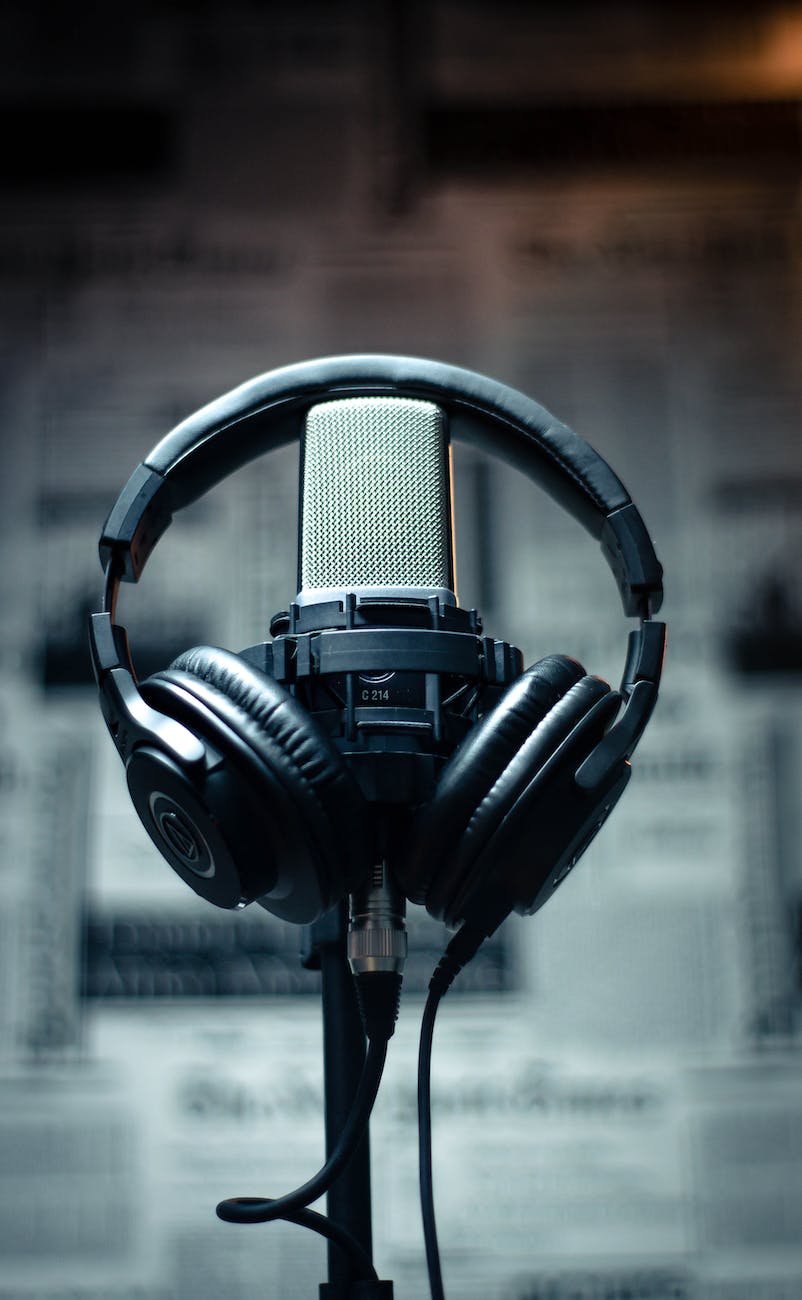
Podcasting has exploded in popularity in the past few years. It has become relatively easy for creators to break out on platforms like iTunes, Podbean, Libsyn, and SoundCloud. When starting out, a new podcaster might be overwhelmed by the range of options when it comes to equipment. Many beginners are shocked at the cost of microphones, mixers, sound editing software—the lists from people in the industry will look lengthy and expensive. And they are!
Getting started in the world of podcasting shouldn’t cost an arm, a leg, and first-born child. There are as many reasons to start a podcast as there are people behind the microphone. We’re here to give the beginner—and old pros—tips on selecting the best USB microphone for their podcast.
USB Microphone FAQ
1. What is a USB microphone?
A USB microphone plugs directly into a computer and immediately converts the signal from analog to digital without having to go through an audio mixer or USB interface (a special type of mixer that converts classic XLR inputs to digital signal; think of it as a kind of external sound card). Traditional microphone technology is still utilized in the guts of the microphone but is transmitted differently.
2. What is the benefit of a USB microphone rather than a traditional XLR microphone?
A USB microphone is plug-and-play. Instead of buying extra peripheral equipment, the user only needs their existing computer and the microphone. That’s it!
3. Aren’t USB microphones inferior to XLR microphones?
This may have been the case just a few years ago, but the technology has improved drastically in the last ten years. The best USB microphone will have just as much technology jammed into its casing as traditional XLR microphones. As with all things, expect to pay more to get more.
4. Are there any special features to look for when considering, say interviews?
Not all USB microphones are created equal. For single-person podcasting, look for what’s known as a cardioid microphone, which simply means it records from the front only. If anticipating two-person podcasts or interviews with one other person, a bidirectional microphone will work best. For group recording, look for an omnidirectional (all-direction) microphone.
5. What kind of mount or stand should go with the microphone?
The best kind of mount is known as a shock mount and can be used with a boom arm, floor stand, or desktop stand. Essentially, springs and rubber bands suspend the microphone and prevent any accidental bumps or brushes from being recorded on your track.
6. Is there any special software that needs to be downloaded with a USB microphone?
No. However, podcasters will need audio mixing/editing software like Audacity, WavePad, or Apple Garage Band to get started. This is an essential part of bringing a podcast to life.
How We Reviewed
The following products were reviewed based on the following parameters: Features, Pros & Cons, Price, Where to Buy, and Warranty.
Overall Price Range
Products in this best USB microphone list range anywhere from $30 to just over $200. As one would expect, there will probably be more features on the more expensive units, but that doesn’t mean that the $30 option will be less than the best USB microphone for the podcaster’s budget
What We Reviewed
- Blue Yeti USB Microphone
- Samson Meteor Mic USB Studio Condenser Microphone
- Audio-Technica AT2020USB+ Cardioid Condenser USB Microphone
- Blue Raspberry Premium Mobile USB Microphone
- Razer Seiren Elite: Single Dynamic Capsule
- USB Condenser Microphone MAONO Computer Mic with Echo
- Blue Snowball iCE Condenser Microphone
- Rode Podcaster USB Dynamic Microphone
- Rode NT-USB Versatile Studio-Quality USB Cardioid Condenser Microphone
- THRONMAX MDRILL ZERO USB Condenser Microphone
Blue Yeti USB Microphone
Features
There isn’t a “Best USB Microphone” list out there that doesn’t have the Blue Yeti somewhere near the top of the list. It’s a feature-packed powerhouse that is found nearly anywhere electronics are sold. Unlike most of the best USB microphones on this list, it can switch between cardioid, bidirectional, omnidirectional, and stereo, meaning it has versatility for many studio applications. It also boasts a headphone jack, which is important for monitoring your own voice for podcasting.
Pros
- Excellent quality build
- Packed with features
- Versatile application
Cons
- Heavier than similar units
- May run slightly out of the beginner’s budget
- May be slightly more advanced than a beginner is looking for
Price: $$
Where to Buy
Warranty
Two (2) years from date of original purchase if purchased from an authorized dealer in the U.S. Must contact Blue Technologies for warranty information if purchased outside the U.S.
Samson Meteor Mic USB Studio Condenser Microphone
Features
This little powerhouse is a condenser microphone with a cardioid pickup pattern for the solo podcaster. It, too, has a zero-latency headphone output jack for monitoring your recording. The legs fold back onto its body for easy storage and transport, as well as setting the microphone up for any recording position. Since it’s a condenser microphone, it will pick up any background noise in the recording location; but Samson thought of this and offers Sound Deck Noise Cancellation software if the podcaster feels it might be a problem.
Pros
- Excellent price for the beginner or the pro
- Smaller profile for smaller recording areas
- Portable and versatile
Cons
- Headphone jack inconvenient to access
- Volume knob can be a bit sticky (two-handed adjustment)
- Mute light can cause confusion
Price: $
Where to Buy
Warranty
Two (2) years from original date of purchase within the U.S.
Audio-Technica AT2020USB+ Cardioid Condenser USB Microphone
Features
As with the previous two entries on this best USB microphone list, the Audio-Technica AT2020USB+ Cardioid Condenser USB Microphone is feature-packed, including the on-board headphone jack and volume control. This is a condenser microphone, so it’s best used in a sound-controlled environment or at least some good microphone shielding when recording.
Pros
- Quality build
- Lighter than similar units
- Excellent recording quality
Cons
- Included microphone stand is poor quality
- Not for loud or noisy environments
- Not compatible with all versions of Windows
Price: $$$
Where to Buy
Warranty
Two (2) years from date of original purchase if purchased from an authorized dealer in the U.S. Must contact the local dealer for warranty information if purchased outside the U.S.
Blue Raspberry Premium Mobile USB Microphone
Features
Unlike the other best USB microphone products above, this USB microphone was specifically designed to be a mobile recording device. This little condenser microphone works to minimize the sound around the speaker utilizing a patent-pending Internal Acoustic Diffuser, adding a twist to the traditional condenser microphone (diffusers are an external item used to reduce the noise of a crowd or otherwise noisy environment).
Pros
- Compact for maximum portability
- Max. 24-bit audio for crisper, clearer recording
- Headphone jack
Cons
- Smaller condenser
- Interference when using with USB hub
- May be cost prohibitive for the beginner
Price: $$$
Where to Buy
Warranty
Extended warranty only.
Razer Seiren Elite: Single Dynamic Capsule
Features
The Razer Seiren Elite was designed by a gaming outfit more known for mice and keyboards. Bringing their expertise to the table, they designed a USB microphone with many of the benefits of the other best USB microphone contenders above, but with a single dynamic capsule for a richer and livelier sound than many other microphones on the market. Additionally, it has a built-in high-pass filter that cuts the need for an additional shock mount.
Pros
- Crisp, clear sound
- Zero-latency monitoring via headphone jack
- Low profile
Cons
- Difficult to reduce noise, may require extra software
- Feedback may occur
- Some reports of volume and mute button malfunction
Price: $$$
Where to Buy
Warranty
One (1) year limited warranty after original retail purchase date. Refurbished products have a ninety (90) day limited warranty.
USB Condenser Microphone MAONO Computer Mic with Echo
Features
Probably one of the best USB microphones for the beginner, the MAONO has many of the features of the microphones above at a fraction of the price. Includes headphone jack, echo, and volume controls.
Pros
- Boom arm compatible
- Lighter than similar USB microphones
- Decent build quality
Cons
- Included stand is of poor quality
- Several users report static they’re unable to quiet
- Podcaster has to remember to keep the microphone vertical at all times
Price: $
Where to Buy
Warranty
Thirty (30) day return for any reason. Lifetime Technical support.
Blue Snowball iCE Condenser Microphone
Features
Why would this strange little guy be vying for best USB microphone? Well, it’s because Blue Technologies dumped a whole lot of oomph into a teeny package. It’s best used for the solo podcaster on the road (again, since it’s a condenser mic, remember to diffuse background noise). While it may not have the on-board controls, it modulates itself well and can be sound-corrected in most audio editing software.
Pros
- Compact for portability and fast deployment
- Single module for crisp and clear recording
- Excellent build quality
Cons
- No headphone jack
- No on-board noise controls
- Included stand is clunky
Price: $
Where to Buy
Warranty
Two (2) years from date of original purchase if purchased from an authorized dealer in the U.S. Must contact Blue Technologies for warranty information if purchased outside the U.S.
Rode Podcaster USB Dynamic Microphone
Features
The Rode Podcaster is uniquely designed to reject a lot of ambient noise. Its tight cardioid pattern directs its recording face sharply toward the podcaster for crisp, clear recording.
Pros
- Headphone jack for monitoring
- Built-in pop filter to reduce plosive interference in recording
- LED power indicator
Cons
- Heavier than similar microphones
- No stand included
- Included USB cable is a touch too long at ten (10) feet.
Price: $$$
Where to Buy
Warranty
One (1) year from date of purchase. Can be extended to ten years if product is registered at the company website.
Rode NT-USB Versatile Studio-Quality USB Cardioid Condenser Microphone
Features
The Rode NT-USB is a side-address cardioid microphone that contains many of thes same features of the other best USB microphone contestant above. It was designed for ease of use on the desktop or in the studio. Also, this one comes with a pop filter to deter plosives from killing your awesome recording.
Pros
- Headphone jack
- On-board audio monitoring level and mix between computer and microphone input
- Compatible with the iPad
Cons
- Included microphone stand is a bit rickety
- Some reports of delay between microphone and audio editor
- No on-board gain control to go with the mixer
Price: $$$
Where to Buy
Warranty
One (1) year from date of purchase. Can be extended to ten years if product is registered at the company website.
THRONMAX MDRILL ZERO USB Condenser Microphone
Features
On this last entry for the title of best USB microphone comes the Thronmax MDrill Zero. This tidy little mid-range unit has the functionality of a higher-grade USB microphone at a reduced price point. The MDrill can be switched between cardioid and omnidirectional modes to add versatility to its application by the podcaster. The two condenser capsules record crisp, rich sound.
Pros
- Can be switched between cardioid and omnidirectional modes
- Excellent build quality
- Included stand is of surprisingly good quality
Cons
- LED light a touch too bright
- Cable is a little clunky
- Difficult to diffuse background noise
Price: $
Where to Buy
Warranty
One (1) year limited warranty.
The Verdict: Which is the Best USB Microphone?
There really is no clear winner for the best USB microphone. Each has its own merits and its own pitfalls, but it all really comes down to individual preference. The clear forerunner for best USB microphone would likely be the Blue Yeti, solely because of its extended functionality and its impressive array of features. Similarly, the Thronmax MDrill has the benefit of being able to switch from cardioid to omnidirectional mode for a reasonable price. For the true beginner—or full-on non-techie—the Samson Meteor may be the best buy, considering its plug-and-play compatibility with most major operating systems and the on-board headphone jack like its larger compatriots. Ultimately, the best USB microphone is the one that best fits the user.
Happy hunting, and happy podcasting!
This article written for podcastofficial.com, Copyright © 2019 Wayne Campbell
 Wayne Campbell
Leave a comment